
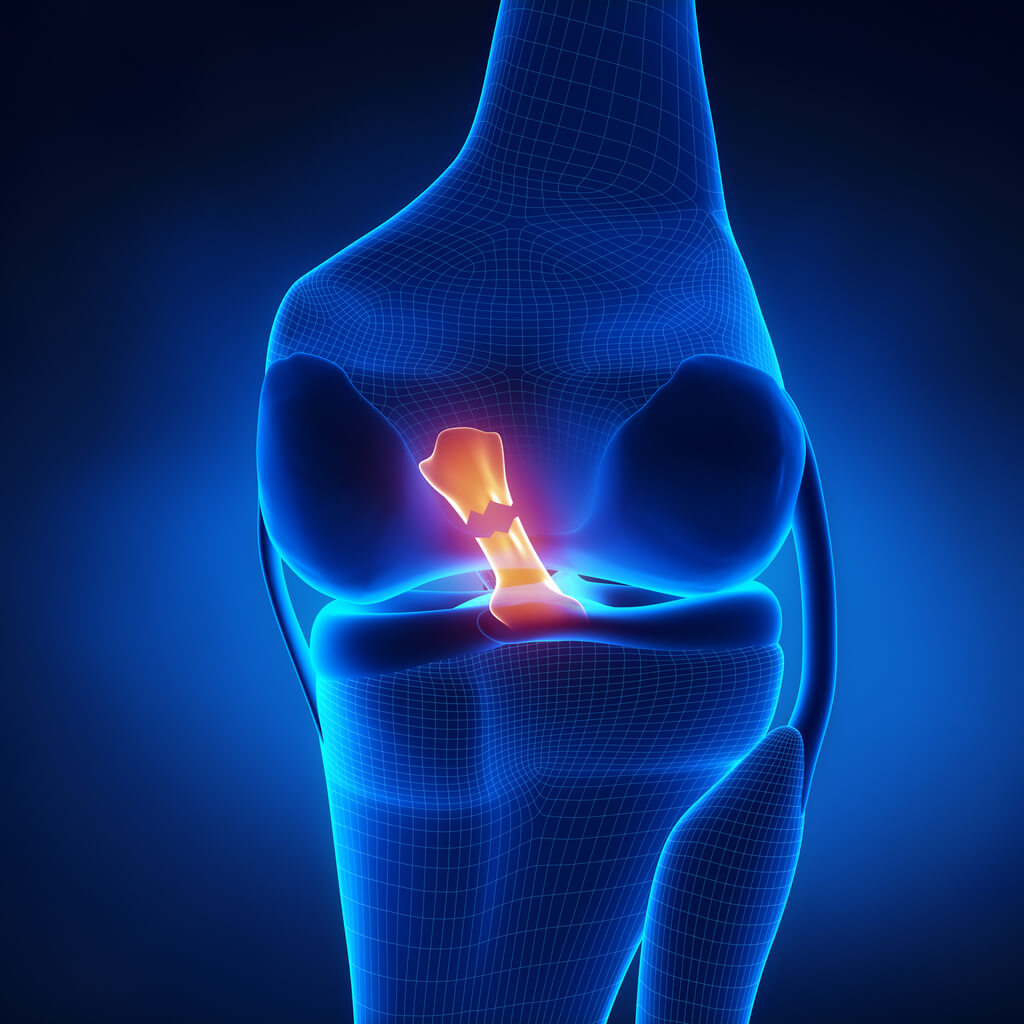
In short, arthroscopic surgery is a minimally invasive procedure used to reconstruct a damaged ligament and restore stability to your knee.
- Minimally invasive technique. The surgeon uses small incisions and a camera to view and repair the joint with less tissue damage.
- Structured rehabilitation process. Physical therapy begins almost immediately to restore the range of motion and strengthen the leg muscles.
- Timeline for return. While walking may resume quickly, returning to high-impact sports requires patience and strict adherence to medical advice.
An ACL injury is a traumatic event that causes immediate pain and instability in the knee joint. This injury is common among athletes who perform sudden stops or changes in direction. Without proper treatment, the knee may buckle during daily activities.
For active individuals, surgery is often the best path to regain full function. Arthroscopic ACL reconstruction surgery utilizes advanced technology to rebuild the ligament. This approach helps patients recover faster compared to open surgery methods.
At Orthopedic Associates of West Jersey, our board-certified surgeons specialize in restoring mobility. We provide comprehensive care from diagnosis through rehabilitation.
What is An Anterior Cruciate Ligament (ACL) Tear?
The anterior cruciate ligament (ACL) is one of the key ligaments that help stabilize your knee joint. It connects your thighbone (femur) to your shinbone (tibia). It prevents the shinbone from sliding out in front of the thighbone.
An ACL injury tear often happens during sports like soccer, basketball, football, and skiing. It can occur when you land awkwardly from a jump or pivot suddenly. Direct contact or collision can also cause the ligament to rupture.
When the injury occurs, you might hear a loud “popping” noise. Your knee may swell rapidly within a few hours. Many patients report a feeling of the knee “giving way” under their own weight.
How is An ACL Injury Tear Diagnosed?
A thorough physical examination is the first step in diagnosing this condition. Your doctor will check your knee for swelling and tenderness. They will compare the injured knee to the uninjured one to assess the range of motion.
Your orthopedic specialist may perform specific tests to check the stability of the ligament. These manual tests involve gently moving the leg to see if the ligament stays intact. However, imaging tests are usually necessary to confirm the diagnosis.
X-rays are typically ordered to rule out any bone fractures. However, X-rays do not show soft tissues like ligaments. A magnetic resonance imaging (MRI) scan is the gold standard for viewing an ACL injury tear.
How is Arthroscopic ACL Reconstruction Surgery Performed?
Arthroscopic ACL reconstruction surgery is generally an outpatient procedure. This means you can typically go home on the same day as your surgery. You will likely receive general anesthesia to ensure you sleep through the operation.
The surgeon will make small incisions around the knee to insert an arthroscope. This tool is a thin tube with a fiber-optic camera on the end. It sends real-time video to a monitor in the operating room.
The surgeon will remove the damaged ends of the torn ligament. They will then drill tunnels into the thighbone and shinbone to position the new graft accurately. The graft acts as a scaffolding for a new ligament to grow.
What Graft Options Are Available for Reconstruction?
Traditionally, a torn ACL cannot simply be sewn back together. While new ‘repair’ technologies exist for specific candidates, the gold standard for most active patients remains reconstruction using a tissue graft. This graft serves as a replacement ligament to stabilize the knee.
You and your surgeon will decide between an autograft and an allograft. An autograft uses tissue from your own body, such as the patellar tendon or hamstring tendon. An allograft uses tissue taken from a donor.
Recent research highlights the importance of graft selection in younger patients. A meta-analysis published in the Journal of Orthopaedics (2024) compared graft types in pediatric patients. The study found that quadriceps tendon autografts demonstrated lower rupture rates than hamstring tendon autografts.
What Are the Risks and Complications?
As with any surgical procedure, arthroscopic ACL reconstruction surgery carries potential risks. Infection and bleeding are possibilities, though they are rare. Blood clots in the leg veins can also occur after surgery.
Some patients may experience stiffness or a limited range of motion. This often happens if rehabilitation does not start promptly. Following your physical therapy protocol is essential to prevent scar tissue buildup.
Graft failure is another potential complication. This occurs if the body rejects the graft or if the new ligament tears again. Avoiding high-risk activities too early is crucial for preventing graft failure.
What Is The Recovery Timeline For ACL Surgery?
Recovery is a gradual process that requires commitment to physical therapy. For the first two weeks, you will focus on controlling swelling and regaining knee extension. You will likely use crutches and a knee brace during this time.
From weeks two to six, you will work on strengthening the quadriceps and hamstring muscles. You will also begin exercises to improve your balance. Most patients can walk without crutches by the end of this phase.
Returning to sports takes significantly longer. A systematic review in the Journal of Clinical Medicine (2025) suggests that returning to strenuous sport should be delayed for at least 18 months to two years.
Frequently Asked Questions About ACL Reconstruction
Will I Have to Wear a Brace After Surgery?
Most surgeons recommend wearing a brace for the first few weeks. This protects the graft while the knee heals. Your doctor will tell you when it is safe to stop using it.
When Can I Start Driving Again?
You can usually drive once you are off prescription pain medication. You must also have enough control over your leg to operate the pedals safely. This typically takes two to six weeks, depending on which leg was operated on.
Is Physical Therapy Necessary?
Physical therapy is a mandatory part of the recovery process. Surgery fixes the anatomy, but therapy restores function. Skipping therapy increases the risk of stiffness and re-injury.
Can an ACL Injury Tear Heal Without Surgery?
A complete tear will not heal on its own. Non-surgical treatment may be an option for older, less active individuals. However, active patients usually require surgery to prevent instability.
Treat Your ACL Injury Tear in Dover, NJ
If you suspect you have an ACL injury tear, do not wait to seek treatment. Early intervention can prevent further damage to the meniscus and cartilage. Our team at Orthopedic Associates of West Jersey is here to help.
We utilize the latest techniques in arthroscopic ACL reconstruction surgery to get you back on your feet. Our surgeons will work closely with you to develop a personalized recovery plan. We serve patients across the region with compassionate, expert care.
Contact us today at (973) 989-0888 to schedule your consultation. You can also visit us online to request an appointment. Let us help you restore your knee strength and return to the activities you love.
