
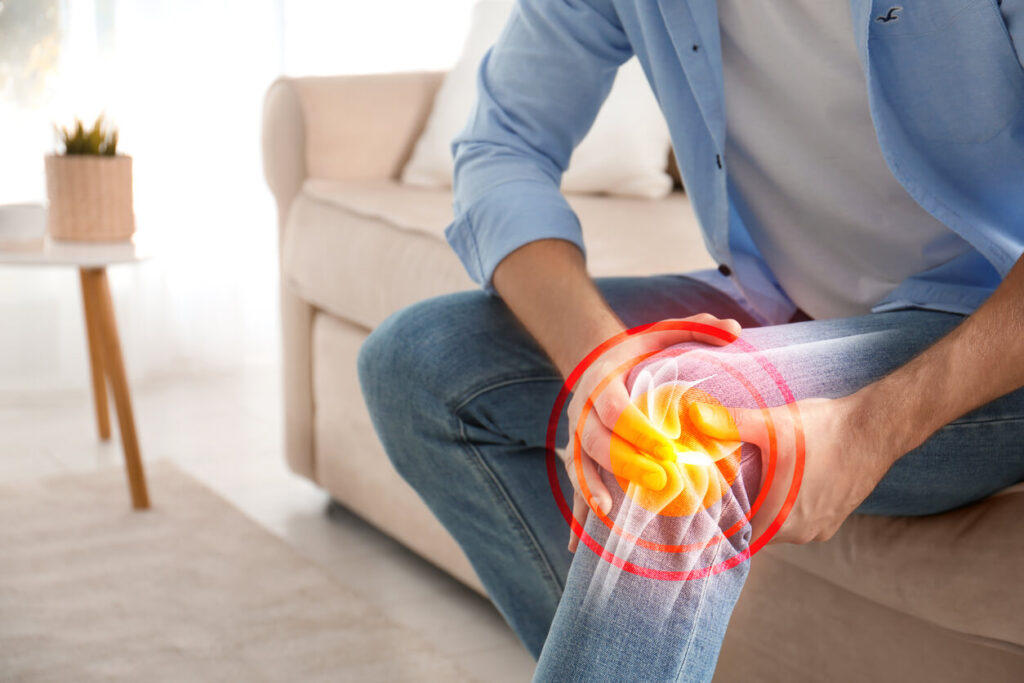
There are many effective ways to manage knee arthritis, ranging from simple lifestyle changes to advanced surgical procedures. Most people find real relief without ever needing surgery.
- Start with lifestyle changes: Losing weight, staying active, and strengthening your muscles can ease knee pain significantly.
- Try nonsurgical treatments first: Medications, injections, and physical therapy help many people avoid the operating room.
- Consider surgery when needed: Joint replacement offers lasting relief when other treatments no longer work.
Finding help for arthritic knees does not have to feel overwhelming, even when daily pain makes simple tasks like climbing stairs or standing up feel impossible. Knee osteoarthritis is one of the most common joint conditions in the world, and it affects how millions of people move, work, and enjoy life.
According to the Centers for Disease Control and Prevention (CDC), arthritis affects more than 53 million adults in the United States, and the knee is one of the most frequently impacted joints. Osteoarthritis develops when the protective cartilage that cushions the ends of your bones wears down over time.
This blog explains the most effective treatment options available today. The goal is to help you understand your choices, so you can take the next step toward less pain and more movement.
What Causes Arthritic Knee Pain?
Knee arthritis happens when the smooth cartilage inside the joint breaks down, causing bones to rub against each other. This friction leads to pain, stiffness, swelling, and reduced movement.
Several factors raise your risk of developing knee osteoarthritis. Understanding these factors can help you and your doctor build a treatment plan that works.
- Age: The risk rises as you grow older.
- Excess weight: Extra body weight adds stress to the knee joint.
- Previous injuries: Old knee injuries can lead to arthritis later in life.
- Family history: Genetics can make some people more likely to develop arthritis.
- Repetitive stress: Jobs or activities that strain the knees can speed up cartilage damage.
Osteoarthritis is the most common form of arthritis, and it tends to worsen gradually over time. Early treatment can slow this progression and protect your joint function.
Can Lifestyle Changes Provide Help for Arthritic Knees?
Lifestyle changes are often the first and most powerful form of help for arthritic knees. Small adjustments to your daily habits can reduce pain and improve how your knee moves.
Weight management is one of the most effective strategies, and losing even a small amount of weight can ease the load on your knees and reduce arthritis symptoms.
Exercise is another key part of treatment. Low-impact activities strengthen the muscles around your knee, which adds support and stability to the joint.
- Swimming: Builds strength without stressing the joints.
- Cycling: Improves mobility and muscle tone.
- Walking: Keeps the joint flexible and active.
- Strength training: Supports the muscles around the knee.
A recent body of evidence supports these approaches. A study published by the National Institutes of Health (NIH) found that exercise therapy meaningfully reduced pain and improved physical function in people with knee osteoarthritis, reinforcing why movement remains a cornerstone of treatment.
What Nonsurgical Treatments Offer Help for Arthritic Knees?
Many people find lasting help for arthritic knees through nonsurgical treatments. These options aim to control pain, reduce inflammation, and restore function without an operation.
Medications are a common starting point. Over-the-counter pain relievers such as acetaminophen (Tylenol) and nonsteroidal anti-inflammatory drugs, or NSAIDs, including ibuprofen (Advil) and naproxen (Aleve), can ease pain and swelling.
Injections offer another route to relief. Corticosteroid injections reduce inflammation, while hyaluronic acid injections help lubricate the joint.
- Corticosteroid injections: Reduce inflammation and pain.
- Hyaluronic acid injections: Add cushioning to the joint.
- Physical therapy: Strengthens and stabilizes the knee.
- Bracing: Supports the joint and improves alignment.
Physical therapy deserves special attention as a source of help for arthritic knees. A trained physical therapist can design a program that improves your strength, flexibility, and range of motion.
When Should You Consider Surgery for Arthritic Knees?
Surgery becomes an option when nonsurgical treatments no longer provide enough relief. If knee pain limits your daily life despite trying other treatments, it may be time to talk with an orthopedic surgeon.
Several surgical options exist, depending on the severity of your arthritis. Your surgeon will recommend the approach that best fits your condition and goals.
What Surgical Options Provide Help for Arthritic Knees?
Different procedures address different problems within the knee joint. The right choice depends on how much cartilage damage you have and which parts of the knee are affected.
- Arthroscopic surgery: Repairs minor joint damage.
- Partial knee replacement: Replaces only the damaged section.
- Total knee replacement: Replaces the entire joint.
Total joint replacement is one of the most reliable treatments for severe knee arthritis. During this procedure, a surgeon removes the damaged joint surfaces and replaces them with artificial components.
According to reports, knee replacement surgery has a high success rate, with most patients experiencing significant pain relief and improved mobility afterward. Recovery includes physical therapy to rebuild strength and restore function.
How Long Does Recovery Take After Knee Surgery?
Recovery time depends on the type of surgery you have. Minor arthroscopic procedures often allow a faster return to activity, while joint replacement requires a longer rehabilitation period.
Most people who undergo total knee replacement can resume many daily activities within a few months. Physical therapy plays a central role in helping you regain strength and movement.
Following your surgeon’s guidance closely improves your outcome. Consistent rehabilitation, healthy habits, and regular follow-up appointments all support a smoother recovery.
Frequently Asked Questions
Can knee arthritis be cured?
There is no cure for knee osteoarthritis, but treatments can effectively manage pain and slow the progression of the disease. Many people maintain an active life by combining lifestyle changes, nonsurgical treatments, and, when necessary, surgery.
What is the best first step for arthritic knee pain?
The best first step is usually a combination of weight management, low-impact exercise, and over-the-counter pain relief. An orthopedic specialist can evaluate your knee and recommend a personalized plan.
Are injections safe for knee arthritis?
Corticosteroid and hyaluronic acid injections are generally safe when administered by a qualified medical professional. Your doctor can explain the benefits and risks based on your specific condition.
How do I know if I need knee replacement surgery?
You may need knee replacement surgery if severe pain limits your daily activities and nonsurgical treatments no longer help. An orthopedic surgeon can assess your joint and discuss whether surgery is right for you.
Who is most at risk for knee osteoarthritis?
Older adults, people with excess weight, and those with previous knee injuries face the highest risk. A family history of arthritis can also increase your chances of developing the condition.
Find Help for Arthritic Knees in Dover, New Jersey
If knee pain is keeping you from the activities you love, the team at Orthopedic Associates of West Jersey is ready to help. Our specialists offer a full range of treatments, including sports medicine, total joint replacement, arthroscopic surgery, and spine surgery.
From the first signs of arthritis to advanced joint replacement, our experienced surgeons create personalized care plans designed around your needs. We are committed to serving the orthopedic needs of the West Jersey community promptly and thoroughly.
Do not let knee pain control your life any longer. Call Orthopedic Associates of West Jersey today at (973) 989-0888 or use our online appointment request form to schedule an appointment and take the first step toward lasting relief.
