
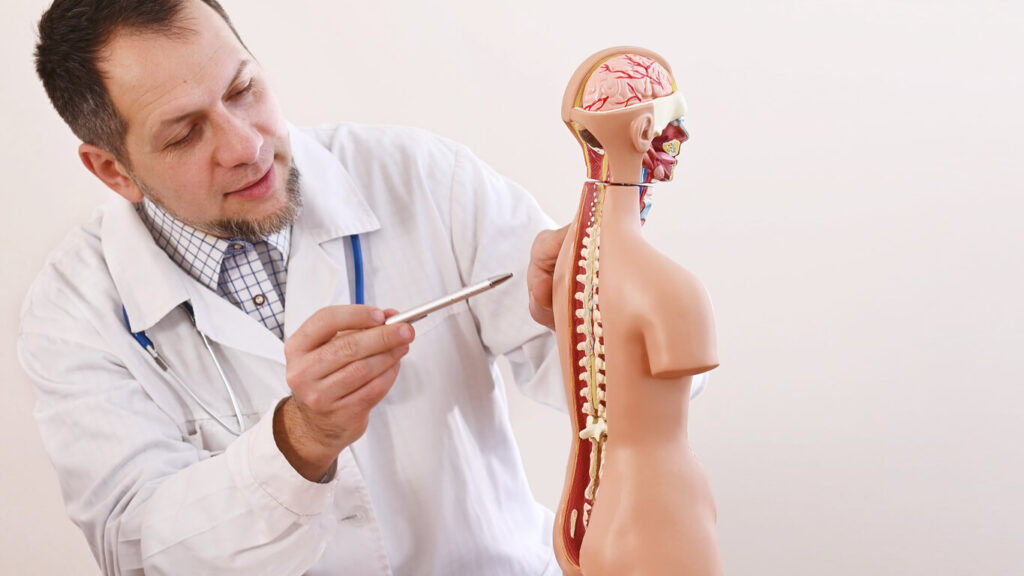
In short, a spine specialist diagnoses and manages a wide range of medical issues that affect the health of your back and neck.
- Herniated disc management. This doctor provides treatments to relieve nerve pressure and chronic pain.
- Spinal stenosis relief. This doctor helps widen the spinal canal to reduce painful nerve compression.
- Osteoarthritis care plans. This doctor offers targeted therapies to reduce joint pain and improve mobility.
A spinal specialist treats numerous conditions that cause back pain, neck pain, and mobility issues. Seeing a spinal specialist can help you receive an accurate diagnosis and an effective treatment plan. Back problems are very common, and they can significantly impact your daily life and overall well-being.
Many patients ignore early warning signs of back conditions. They hope the pain will resolve on its own without professional medical intervention. However, delaying treatment from a specialized medical provider can lead to more severe complications.
By understanding what conditions require specialized care, you can take control of your health. You do not have to live with chronic pain. A medical expert can guide you toward recovery and improved physical function.
What Is a Herniated Disc and How Is It Treated?
A herniated disc occurs when the soft inner core of a spinal disc pushes through its tough outer layer. This condition often causes severe pain, numbness, and weakness in the arms or legs. A spinal specialist can accurately diagnose this issue using a CT scan or an X-ray.
Identifying the Symptoms of a Herniated Disc
Patients often report a sharp, shooting pain that radiates down one side of the body. You might also experience tingling or muscle weakness in the affected area. If you notice these symptoms, searching for a spinal specialist is a smart first step.
Exploring Treatment Options for Herniated Discs
Your doctor will likely start with conservative treatment methods. They might recommend physical therapy, rest, and over-the-counter pain relievers like acetaminophen (Tylenol) or ibuprofen (Advil). If conservative methods fail, your spinal specialist may suggest surgical options to remove the protruding portion of the disc.
Can a Spinal Specialist Treat Spinal Stenosis?
Spinal stenosis is a condition characterized by the narrowing of the spaces within your spine. This narrowing can put intense pressure on the nerves that travel through your spinal canal. A spinal specialist is highly trained to manage the pain and discomfort associated with this condition.
Understanding the Causes of Spinal Stenosis
Osteoarthritis is the most common cause of spinal stenosis. Wear and tear on the spinal joints over time can lead to the formation of bone spurs. These bone spurs can grow into the spinal canal and compress the nearby nerves.
Managing Spinal Stenosis Effectively
To manage this condition, your spinal specialist might prescribe medications or physical therapy. Research highlights that physical therapy can be just as effective as surgery for certain patients with spinal stenosis. You and your doctor can work together to determine the best approach for your specific needs.
How Do Doctors Address Degenerative Disc Disease?
Degenerative disc disease happens when the discs between your vertebrae break down over time. This breakdown can cause significant pain, stiffness, and decreased flexibility in your back. A spinal specialist can help you manage this chronic condition through various medical interventions.
Recognizing the Signs of Disc Degeneration
Pain from degenerative disc disease often worsens when you sit, bend, lift, or twist. The pain might flare up for a few days and then subside temporarily. Consulting a spinal specialist will help you find ways to stabilize your spine and reduce these painful flare-ups.
Treatments for Degenerative Disc Disease
Treatment typically involves a combination of physical therapy, weight management, and pain medications. Your doctor might also suggest epidural steroid injections to reduce inflammation around the affected nerves.
In severe cases, a spinal specialist might recommend a disc replacement surgery or a spinal fusion.
What Are Common Treatments for Sciatica?
Sciatica refers to pain that radiates along the path of the sciatic nerve. This nerve branches from your lower back through your hips and down each leg. A spinal specialist routinely treats this condition to help patients regain their mobility.
Discovering the Root Cause of Sciatica
Sciatica is most commonly caused by a herniated disc, a bone spur on the spine, or spinal stenosis. The compressed nerve causes inflammation, pain, and often some numbness in the affected leg. A spinal specialist will conduct a thorough physical examination to pinpoint the exact location of the nerve compression.
Finding Relief from Sciatica Pain
Most people recover fully from sciatica without the need for surgery. Conservative care is highly effective for most sciatica patients. Your spinal specialist might recommend cold packs, gentle stretching, and physical therapy to alleviate the pressure on your sciatic nerve.
Do Spinal Specialists Treat Scoliosis?
Scoliosis is a sideways curvature of the spine that occurs most often during the growth spurt just before puberty. While it is common in adolescents, adults can also suffer from scoliosis. A spinal specialist is the best medical professional to monitor and treat this spinal deformity.
Monitoring Scoliosis in Patients
Most cases of scoliosis are mild, but some curves worsen as children grow. A spinal specialist will use an X-ray to track the progression of the curve over time. Severe scoliosis can be disabling, and it can reduce the amount of space within the chest for the lungs to function properly.
Treating Severe Curvatures
If the curve is severe, a spinal specialist might recommend a brace or spinal surgery. Surgery usually involves a spinal fusion to connect two or more of the bones in the spine together. This procedure prevents the curve from worsening and helps straighten the spine.
When Is Surgery Recommended by a Spinal Specialist?
Surgery is rarely the first option for treating back or neck pain. A spinal specialist will generally exhaust all non-surgical treatments before considering an operation.
However, surgery might be necessary if your pain is relentless and significantly impairs your quality of life.
Identifying Surgical Candidates
You might be a candidate for surgery if you experience progressive neurological damage. This damage can include leg weakness or bowel and bladder incontinence. A spinal specialist can thoroughly evaluate your symptoms to decide if surgery is the safest option.
Types of Spinal Surgeries
Common surgical procedures include laminectomy, discectomy, and spinal fusion. Your spinal specialist will explain the risks and benefits of each procedure during your consultation. They will guide you through the preoperative process and the postoperative recovery phase.
How to Find a Spinal Specialist in Dover, New Jersey
If you are suffering from chronic back pain, you need expert orthopedic care to get back to your active lifestyle. You deserve a personalized treatment plan that addresses the root cause of your discomfort. Finding a qualified spinal specialist in Dover, New Jersey, is the first step toward lasting relief.
Our experts at Orthopedic Associates of West Jersey are dedicated to providing comprehensive orthopedic care. Our medical team takes pride in diagnosing and treating all types of spinal conditions. We work closely with our patients to ensure they understand their diagnosis and their treatment options.
Do not let spinal pain control your life any longer. You can trust our experienced medical professionals to provide the highest quality care in a comfortable environment. For more information or to schedule an appointment, please call us at (973) 989-0888 or use our appointment form.
